
The Buyer's Inspection Report Arrived: What Las Vegas and Henderson Sellers Should Do Next
By Bev Prock, Realtor · EXIT Realty Number One
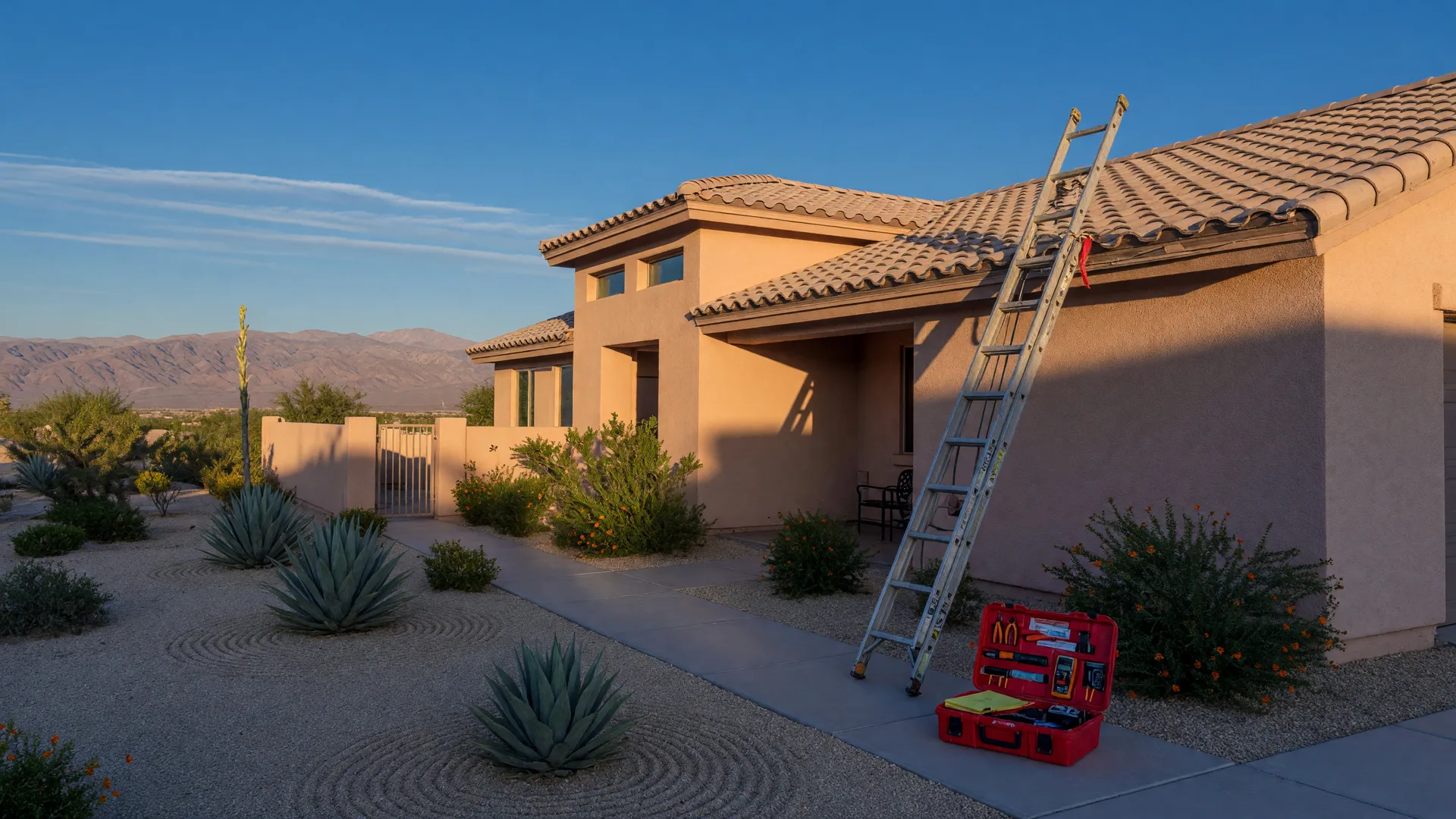
Found something on the buyer's inspection report? Breathe: every report on every home has findings, and sellers are not expected to address all of them. The inspection is a normal checkpoint in a Las Vegas and Henderson sale, and how you respond, not what the report lists, usually decides whether the deal closes smoothly. This fall, with homes across the valley taking roughly three to five weeks to sell and about one in three closings including a seller credit, a calm and strategic response matters more than ever.
How to Read a Long Inspection Report Without Panicking
An inspector walks the property and documents the condition of its major systems: the roof, foundation, electrical, plumbing, HVAC, windows, and exterior. Nevada has no fixed inspection window, but most Las Vegas and Henderson contracts give buyers about 7 to 10 days after mutual acceptance to complete their inspections and respond, so the report usually arrives early in the process.
The key is to sort every line into one of three buckets. Safety and structural items, such as a gas leak, an electrical hazard, or a cracked foundation, deserve serious attention. Maintenance items, such as a dripping valve or worn weather stripping, are normal wear and tear. Cosmetic notes, such as paint colors or dated fixtures, are mostly information, not obligations. A report that runs 40 pages is full of observations; in Nevada practice, buyers and sellers negotiate the list, and sellers are not required to make the home new. It has to be in reasonably good working order, not perfect.
What Las Vegas and Henderson Inspectors Focus On
Reports in our market tend to turn up the same handful of desert issues again and again. The HVAC system matters most: a cooling system that labors through a 110-degree July afternoon gets flagged in almost every summer and fall file. Roofing and tile are next, with wind-lifted shingles, cracked tiles, and worn flashings showing up after monsoon season. Stucco cracks and failed caulk around windows and doors let water into the wall cavity behind the siding. Termite and pest inspections are part of the deal in Southern Nevada, where drywood termites are common. Irrigation, grading, and the connection between the two deserve attention after our summer storms. Pools, water features, solar arrays, and window seals round out the list.
None of those items ends a sale on its own. I have watched sellers handle the same findings in Green Valley, Seven Hills, Anthem, MacDonald Ranch, Inspirada, and Cadence, and the outcome almost always comes down to how the request is written and answered, not how long the list is.
Repairs, Credits, or a Price Adjustment: How the Negotiation Works
Once the buyer's agent sends the request, usually during the inspection period, you have three ways to resolve it: complete the repairs, credit the buyer at closing, or adjust the price. In the current fall market, seller credits have become the most common path, because they keep the closing on schedule and let the buyer decide how to spend the money. A general home inspection in the valley typically costs the buyer about $300 to $500, while repair requests can total far more, so the numbers on the table deserve a careful look.
I pull the comparables and walk the report line by line with every seller. We estimate each item with a licensed contractor where it makes sense, then decide what to fix outright, what to credit, and what to decline with a clear explanation. My Sellers Representative Specialist (SRS) and Graduate, REALTOR Institute (GRI) training taught me how a request reads from the other side of the table, and how a fair, well-documented response keeps a deal together. Being able to say no gracefully is just as important as being willing to say yes.
What You Don't Have to Fix (and What You Should)
You do not have to fix every item, and you should not try. Painting, dated fixtures, worn carpet, and other purely cosmetic notes are almost never seller obligations unless the contract says otherwise. Routine wear and tear, such as a slow-draining fixture or minor wall cracks from normal settlement, is typically left alone. The items worth addressing are the safety and structural conditions that a lender's appraiser or a future buyer's inspector will notice again, plus the small, inexpensive fixes that show the home was genuinely cared for.
Your situation changes the answer. As a Short Sale and Foreclosure Specialist (SFR), I have guided distressed properties that sold substantially as-is, where the family's priority was a clean, timely closing rather than a perfect list. As a Seniors Real Estate Specialist (SRES), I help older sellers choose the two or three projects that truly matter and skip the rest, so the process stays manageable. And with my Certified New Home Sales Professional (CSP) designation, I can explain how the inspection process differs for new construction, where builders carry Nevada's one-year new home warranty instead of the seller fixing items one by one.
Your inspection report just landed. Let's talk before you respond.
With over 18 years of Las Vegas real estate experience, I will read the report with you, price out the reasonable response, and negotiate a resolution that protects your sale and your timeline. Bev Prock is a Realtor with EXIT Realty Number One in Henderson (Nevada license S.0078180) and holds the GRI, SFR, CSP, SRS, and SRES designations. Call (702) 857-6729, email bevprockrealestate@gmail.com, or schedule a free consultation today.
Market context comes from Las Vegas REALTORS (LVR) / GLVAR and Freddie Mac, verified per update. Approximate statistics, not Bev Prock's personal sales. Inspection timelines and costs reflect typical Las Vegas valley practice and are general information, not legal advice. Article reviewed October 2026.